Brick Cladding Tiles Price: What Really Influences the Cost?
When people search for brick cladding tiles price, they’re usually expecting a simple number.
But here’s the truth—it’s rarely that simple.
Because pricing doesn’t depend on just one factor. It shifts. It stretches. Sometimes it surprises you. From material type to finish, from manufacturing process to application area—everything plays a role.
And if you’re exploring premium options from brands like BricksStreet, understanding these layers becomes even more important.

Price Range of Brick Cladding Tiles in India
Let’s start with a rough idea—because you need a baseline.
- Basic brick cladding: ₹35 – ₹60 per sq. ft.
- Mid-range elevation brick tiles: ₹60 – ₹120 per sq. ft.
- Premium finishes (designer or textured): ₹120 – ₹250+ per sq. ft.
Now pause for a second.
Why such a wide gap? Because not all bricks—or tiles—are created equal.
Material Matters More Than You Think
The type of brick used directly affects the price. And this is where things get interesting.
- Solid Bricks – Dense, durable, and slightly more expensive due to material volume.
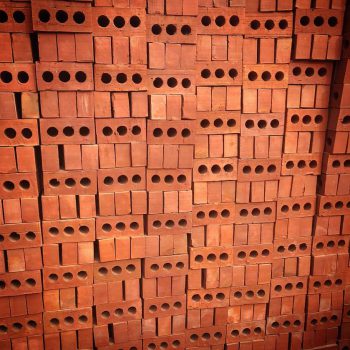
- Hollow Bricks – Lighter, cost-effective, and easier to install.
- Traditional Bricks – The classic option, often cheaper but less refined in finish.
- Modular Bricks – Uniform in size, making installation faster and more precise.
Each one carries a different cost implication—not just in buying, but in handling and labor too.
Manufacturing Process: The Hidden Cost Driver
Here’s something most buyers overlook.
How a brick is made can drastically influence its price and performance.
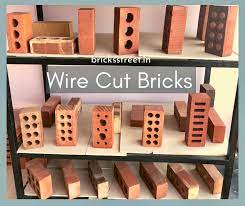
- Extruded wirecut bricks / wire cut bricks – Sharp edges, smooth finish, and consistent dimensions. Premium look, slightly higher cost.
- Pressed Bricks – High density, strong structure, often used in high-load areas.
- Hand-molded variants (in some traditional setups) – Lower cost, but less uniform.
Brands like BricksStreet focus on precision manufacturing, which is why their products often fall in the premium bracket—but with better consistency and finish.
Design & Aesthetic Premium
Let’s be real—appearance sells.
If you’re choosing elevation brick tiles, you’re not just building a wall. You’re creating a visual identity.
Textured finishes, color variations, antique looks—these all add to the price.
A plain tile? Affordable.
A curated, designer finish? That’s where the numbers climb.
Structural Variants & Their Pricing Impact
Even within bricks, variations matter:
- 3 Hole Bricks – Balanced cost and performance, commonly used.
- 10 Hole Bricks – Better insulation, lighter weight, slightly higher cost due to engineering benefits.
- Clay Pavers Bricks – Typically used outdoors, but can influence cladding aesthetics as well—especially in rustic designs.
These aren’t just technical differences—they directly affect your total project cost.
Installation & Logistics: The Silent Add-Ons
Here’s where budgets often get miscalculated.
Even if your brick cladding tiles price looks reasonable on paper, additional costs can include:
- Adhesives and mortar
- Skilled labor (especially for patterned layouts)
- Transportation and breakage margins
Premium brands like BricksStreet often reduce wastage due to better product consistency—which, indirectly, saves money.
So, What Should You Expect?
If you’re planning a standard project, expect a balanced investment.
If you’re aiming for premium aesthetics with high durability—be ready to stretch your budget a bit.
Because in construction, cheaper upfront often means costlier later.
Final Thoughts
Brick cladding isn’t just about covering walls—it’s about defining them.
From solid bricks to hollow bricks, from wire cut bricks to designer elevation brick tiles, every choice shifts the price—and the outcome.
And when you choose a brand like BricksStreet, you’re not just paying for material. You’re investing in finish, consistency, and long-term performance.

Comments
Post a Comment