What is Brick Cladding Elevation?
At its core, brick cladding is a surface application. Instead of constructing full-thickness brick walls, you apply a thin layer of bricks or elevation brick tiles over a structural wall (like RCC or blockwork). The result? You get the timeless charm of brick without the bulk, cost, or engineering constraints.
But here’s where things get interesting—modern cladding isn’t limited to one type of brick. You can mix textures, finishes, and formats to create elevations that feel layered, alive, and architecturally sharp.
.jpg)
Why Wire Cut Bricks Are Changing the Game
If you’ve ever seen a façade that looks crisp, linear, and almost sculpted—you’re likely looking at wire cut bricks.
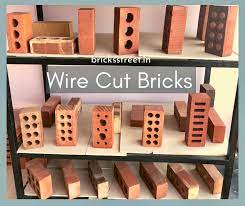
Unlike handmade or molded options, extruded wirecut bricks are produced by slicing clay columns with tensioned wires. The finish is clean. Edges are sharp. The texture—subtly striated and highly contemporary.
They bring a distinct advantage:
- Consistency in size and finish
- Minimal wastage during installation
- Strong bonding for cladding systems
- A premium, architectural-grade appearance
For modern elevations, they’re not just an option—they’re often the first choice.
Types of Bricks You Can Use in Cladding
Here’s where creativity meets engineering. Different brick types serve different visual and functional purposes:
1. Solid Bricks & Traditional Bricks
These are your classic choices. Solid bricks and traditional bricks offer density and timeless appeal. When sliced into cladding formats, they retain that rustic warmth but become easier to install.
2. Modular Bricks & Pressed Bricks
Precision matters in elevation work. Modular bricks ensure uniformity, while pressed bricks provide smoother surfaces—ideal for contemporary or minimalist designs.
3. 3 Hole Bricks & 10 Hole Bricks
These aren’t just about weight reduction. 3 hole bricks and 10 hole bricks improve bonding and reduce dead load, making them practical for vertical cladding systems without compromising strength.
4. Hollow Bricks
Lightweight and efficient, hollow bricks are often used behind cladding or in hybrid systems where insulation and reduced load are priorities.
5. Clay Pavers Bricks
Not just for flooring anymore. Clay pavers bricks are increasingly used in vertical applications, especially when a rugged, earthy texture is desired.
Design Possibilities: Beyond Basic Elevations
Here’s where burstiness in design really comes alive.
You can go:
- Linear and minimal with uniform wire cut patterns
- Textured and layered by mixing extruded wirecut bricks with rough traditional finishes
- Geometric and bold using alternating projections and recessed joints
- Warm and rustic by combining clay tones with deeper mortar joints
Even a small tweak—like changing joint thickness—can completely shift the visual weight of a façade.
Why Choose Bricksstreet?
When execution matters as much as design, material quality becomes non-negotiable. That’s where bricksstreet stands out.
They offer a wide spectrum—from wire cut bricks and extruded wirecut bricks to modular bricks, pressed bricks, and specialized options like 3 hole bricks and 10 hole bricks. Whether you’re aiming for a sleek urban elevation or a textured, earthy façade, their range allows flexibility without compromising consistency.
And consistency, in cladding, is everything.
Practical Benefits (Not Just Aesthetic)
Let’s keep it real—this isn’t just about looks.
Brick cladding systems offer:
- Reduced structural load compared to full brick walls
- Faster installation timelines
- Lower maintenance over time
- Thermal insulation benefits
- Long-lasting color (no repainting cycles)
So yes, it’s beautiful—but it’s also practical.
Final Thought
Brick cladding elevation using wire cut bricks isn’t just a trend—it’s a smarter way to build visually striking structures without the baggage of traditional masonry.
When you combine the right materials—solid bricks, modular bricks, hollow bricks, or clay pavers bricks—with thoughtful design and a reliable brand like bricksstreet, you don’t just create a façade.
You create presence.
And in architecture, presence is everything.

Comments
Post a Comment