Brick Cladding Price Guide: What Affects the Cost and Which Brick Type Should You Choose?
Are you planning to upgrade your home's exterior or create a stunning feature wall? One of the first questions you may ask is, "What is the brick cladding price?" The answer depends on the brick type, design, finish, and installation method.
Brick cladding gives your property the timeless beauty of real brick without the weight and cost of traditional brick walls. Whether you are building a new home or renovating an old one, understanding your options helps you make the right decision.

What Is Brick Cladding?
Brick cladding is a decorative layer of real brick or brick tiles installed on walls. It gives your property the classic appearance of exposed brick while reducing construction time and structural load.
Many homeowners use brick cladding for house exteriors, garden walls, office buildings, restaurants, and commercial projects. It is durable, weather-resistant, and easy to maintain.
Factors That Affect Brick Cladding Price
Several factors influence the final cost of brick cladding.
- Type of brick you choose
- Size and thickness of the bricks
- Wall preparation
- Installation charges
- Transportation costs
- Project location
- Surface finish and color
Premium brick finishes usually cost more than standard options. However, they also provide better aesthetics and long-term value.
Popular Brick Types Used in Cladding Projects
Choosing the right brick is just as important as choosing the right design.
Solid Bricks
Solid Bricks are known for their strength and durability. They work well for both structural and decorative applications. Their long lifespan makes them a popular choice for premium projects.
Traditional Bricks
If you love a classic architectural style, Traditional Bricks offer timeless appeal. They create a warm and natural appearance that never goes out of fashion.
Modular Bricks
Modular Bricks come in standard sizes, making installation faster and reducing material waste. They are commonly used in residential and commercial construction.
Pressed Bricks
Pressed Bricks have smooth surfaces and sharp edges. They provide a clean and elegant finish for modern buildings.
3 Hole Bricks
3 Hole Bricks are lighter than solid bricks while maintaining good strength. Their design helps reduce the overall weight of the wall.
10 Hole Bricks
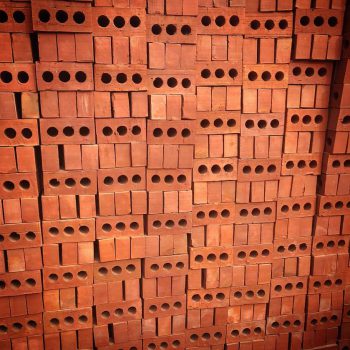
For larger construction projects, 10 Hole Bricks offer improved insulation and reduced material weight. They are also easier to handle during installation.
Hollow Bricks
Hollow Bricks improve thermal insulation and reduce structural load. They are an excellent option for energy-efficient buildings.
Clay Pavers Bricks
Although mainly used for outdoor spaces, Clay Pavers Bricks are perfect for pathways, patios, driveways, and landscaped areas. Their natural appearance blends beautifully with brick cladding designs.
Why Choose Elevation Brick Tiles?
Many homeowners now prefer elevation brick tiles because they provide the look of full-size bricks without increasing wall thickness.
Elevation brick tiles are ideal for:
- Front house elevations
- Living room feature walls
- Commercial buildings
- Hotel and restaurant interiors
- Office reception areas
They are lightweight, stylish, and easier to install than conventional brick walls.
Why Extruded Wirecut Bricks Are Becoming Popular
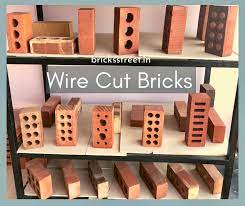
If you want a modern architectural finish, extruded wirecut bricks are an excellent choice. These bricks are manufactured using advanced extrusion technology, creating consistent dimensions and clean edges.
Architects often recommend them because they deliver a premium appearance while maintaining excellent durability.
Benefits of Wire Cut Bricks
Wire cut bricks continue to grow in popularity for both residential and commercial projects.
Some key advantages include:
- Uniform size and shape
- Natural texture
- High compressive strength
- Low maintenance
- Weather resistance
- Long service life
- Elegant architectural finish
These qualities make wire cut bricks one of the best options for high-end brick cladding projects.
How to Get the Best Value for Your Budget
Instead of choosing the lowest-priced material, focus on overall value.
Here are a few simple tips:
- Compare different brick types before purchasing.
- Buy from trusted manufacturers.
- Ask for product samples.
- Choose experienced installers.
- Consider long-term maintenance costs.
- Select bricks suitable for your local climate.
A slightly higher initial investment often results in lower maintenance expenses over time.
Conclusion
Brick cladding is a smart investment that enhances both beauty and durability. The overall brick cladding price depends on the brick type, installation quality, and project size. Whether you choose Solid Bricks, Traditional Bricks, Modular Bricks, Pressed Bricks, 3 Hole Bricks, 10 Hole Bricks, Hollow Bricks, Clay Pavers Bricks, elevation brick tiles, extruded wirecut bricks, or wire cut bricks, selecting quality materials will give you lasting value.
Before making your final decision, compare different options, request product samples, and work with an experienced supplier. The right brick solution will improve your property's appearance while providing years of reliable performance.

Comments
Post a Comment