Which Tiles Are Best for Elevation? A Complete Guide for Modern Homes
Have you ever looked at a beautiful home and wondered what makes its exterior stand out?
In many cases, the answer is the elevation design. The right elevation material can completely change the appearance of your property. It adds style, improves durability, and creates a lasting first impression.
Today, homeowners have many options. However, elevation brick tiles remain one of the most popular choices because they offer a natural, timeless, and elegant look.
Let's explore which tiles are best for elevation and how to choose the right option for your project.

Why Elevation Design Matters
The elevation is the front face of your building. It is the first thing visitors notice.
A well-designed elevation can:
- Improve curb appeal
- Increase property value
- Protect exterior walls
- Reduce maintenance needs
- Create a unique architectural style
That is why selecting the right elevation material is important.
Are Elevation Brick Tiles a Good Choice?
Yes, they are.
Many architects and homeowners prefer elevation brick tiles because they combine beauty with strength. These tiles create a natural appearance while maintaining the durability of brick.
Unlike painted walls, brick finishes stay attractive for years with minimal maintenance.
Elevation brick tiles also work well with modern, traditional, industrial, and contemporary home designs.
Brick Cladding: A Popular Solution for Modern Elevations
One of the most effective ways to create an attractive exterior is through brick cladding.
Brick cladding uses thin brick layers installed on walls to create the appearance of full brick construction.
Benefits of brick cladding include:
- Natural and premium appearance
- Long-lasting durability
- Weather resistance
- Low maintenance
- Improved thermal insulation
Many modern homes now use brick cladding to achieve a sophisticated architectural look without increasing wall thickness.
Best Brick Options for Elevation Projects
Different types of bricks offer different visual effects. Understanding these options can help you choose the best elevation finish.
Solid Bricks
Solid Bricks are known for their strength and durability.
They create a traditional appearance and work well for both residential and commercial projects. Their dense structure makes them highly resistant to weather conditions.
Traditional Bricks
Traditional Bricks provide a timeless and classic look.
These bricks suit heritage-style homes and buildings that require a warm, natural appearance.
Modular Bricks
Modular Bricks offer consistent sizes and clean lines.
They help create neat patterns and modern elevation designs. Their uniform shape makes installation easier and more efficient.
Pressed Bricks
Pressed Bricks feature smooth surfaces and sharp edges.
These bricks create elegant facades and are often used in premium architectural projects.
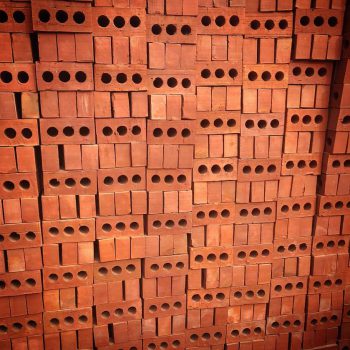
Hollow Bricks
Hollow Bricks are lightweight and energy efficient.
They help reduce structural load while providing excellent insulation. Many modern builders use them for sustainable construction.
Specialty Bricks for Decorative Elevations
If you want a unique exterior, specialty bricks can add texture and visual interest.
3 Hole Bricks
3 Hole Bricks create distinctive patterns and improve bonding during installation.
They are often used for decorative wall sections and feature elevations.
10 Hole Bricks
10 Hole Bricks offer a modern architectural appearance.
Their design allows creative layouts while maintaining structural stability.
Clay Pavers Bricks
Although commonly used for pathways and landscapes, Clay Pavers Bricks can also enhance exterior designs.
Their natural earthy colors blend beautifully with modern elevation concepts.
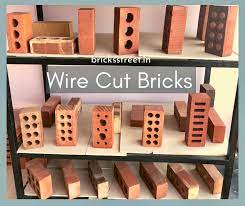
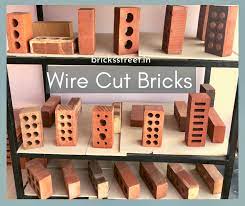
Why Wire Cut Bricks Are Becoming Popular
Many architects recommend wire cut bricks for contemporary homes.
These bricks are manufactured using advanced cutting methods that create clean edges and consistent dimensions.
The result is a sleek and refined appearance that works perfectly for modern architecture.
Extruded Wirecut Bricks
Extruded wirecut bricks offer excellent dimensional accuracy.
They provide a premium finish and help create elegant exterior walls with uniform patterns.
These bricks are highly popular in luxury residential projects and commercial developments.
How to Choose the Best Elevation Material
Before selecting elevation brick tiles, consider these important factors:
1. Design Style
Choose materials that match your home's architecture.
Modern homes often look best with wire cut bricks and brick cladding systems.
2. Weather Conditions
Select materials that can handle your local climate.
High-quality bricks perform well in heat, rain, and changing weather conditions.
3. Maintenance Requirements
Natural brick finishes generally require less maintenance than painted surfaces.
4. Budget
Different brick options come with different price points.
Balance appearance, durability, and long-term value when making your decision.
Practical Tips for Better Elevation Design
To achieve the best results:
- Combine brick cladding with natural stone accents.
- Use warm lighting to highlight brick textures.
- Choose complementary window and door finishes.
- Work with experienced architects and installers.
- Select quality materials from trusted manufacturers.
These small decisions can dramatically improve your home's appearance.
Conclusion
If you are wondering which tiles are best for elevation, elevation brick tiles are among the strongest and most attractive choices available today.
Options such as Solid Bricks, Traditional Bricks, Modular Bricks, Pressed Bricks, 3 Hole Bricks, 10 Hole Bricks, Clay Pavers Bricks, Hollow Bricks, wire cut bricks, and extruded wirecut bricks each offer unique advantages.
Combined with professional brick cladding solutions, these materials can transform any exterior into a stylish and long-lasting masterpiece.
Choose quality materials, focus on design consistency, and invest in expert installation. The result will be an elevation that looks beautiful for years to come.
Comments
Post a Comment