How Brick Cladding Can Transform an Old Building Without Major Construction
An old building can look outdated even when its basic structure remains strong. Faded paint, damaged plaster, stained walls, and an unattractive exterior can reduce its visual appeal. However, rebuilding the entire structure is not always necessary to improve its appearance.
Brick cladding offers a practical way to give an older building a fresh look without extensive construction. It adds the appearance of exposed brickwork to existing walls and can suit residential properties, offices, shops, hotels, and commercial buildings.
With the right materials and installation method, brick cladding can change the character of a building while limiting disruption to its daily use. Before starting the project, it is important to understand the available brick options, surface preparation requirements, installation costs, and maintenance needs.

What Is Brick Cladding?
Brick cladding is a wall finish that uses thin bricks or brick slips to create the appearance of traditional brickwork. Unlike a conventional brick wall, it does not usually require a complete wall built from full-sized bricks.
The cladding is installed over a suitable existing surface using an appropriate fixing or bonding system. The finished wall can resemble traditional exposed brickwork, depending on the brick texture, colour, joint design, and installation pattern.
Brick cladding is commonly used for exterior facades, entrance walls, boundary walls, interior feature walls, and commercial spaces. It can also help older buildings achieve an industrial, rustic, contemporary, or traditional appearance.
However, cladding is a finishing system rather than a solution for structural damage. Cracks caused by movement, water penetration, or weakened masonry must be assessed before installation.
Why Brick Cladding Works Well for Old Buildings
Replacing the entire exterior of an existing building can involve demolition, extensive masonry work, material transportation, and long construction periods. Brick cladding can reduce the scope of this work when the existing structure is suitable.
1. It Gives Old Walls a Fresh Appearance
Old exterior walls often develop stains, faded paint, uneven finishes, and visible patches over time. A carefully selected brick cladding system can cover an unattractive surface and create a more consistent facade.
You can choose red clay bricks for a traditional appearance, darker shades for a modern exterior, or varied textures for a rustic finish. The right choice depends on the building's architecture and the surrounding environment.
2. It Reduces the Need for Extensive Masonry
Brick cladding generally uses thinner materials than a full brick wall. This can reduce the amount of masonry required for a decorative renovation.
The existing walls still need proper inspection and preparation. Loose plaster, unstable surfaces, and moisture problems must be addressed before the cladding is applied.
3. It Can Improve Property Appeal
The exterior often shapes a visitor's first impression of a property. A well-designed brick facade can make an old house look more considered and give a commercial building a stronger visual identity.
For shops, restaurants, offices, and rental properties, an improved exterior may support better presentation. The actual effect on property value depends on location, construction quality, and buyer preferences.
4. It Offers Several Design Choices
Brick cladding is available in different shades, textures, sizes, and laying patterns. This allows property owners to renovate one section of a building or create a consistent finish across the entire facade.
For example, a homeowner can clad the entrance wall and balcony surrounds while keeping the remaining walls painted. A commercial property owner might use brick cladding around the main entrance to create a distinct focal point.
How to Transform an Old Building with Brick Cladding
A successful renovation starts with a clear plan. The aim is to improve the appearance without creating avoidable structural, moisture, or maintenance problems.
Step 1: Inspect the Existing Walls
Begin by checking the condition of the walls. Look for loose plaster, cracks, damp patches, flaking paint, salt deposits, and areas where the surface has separated from the masonry.
Minor surface defects may need ordinary repairs. However, large cracks, bulging walls, recurring dampness, or signs of structural movement require professional assessment.
Do not cover serious defects with cladding. Doing so can hide the warning signs while the underlying problem continues.
Step 2: Choose the Right Areas for Cladding
You do not always need to cover every wall. Select the sections that will create the greatest visual improvement.
Common choices include:
Main entrance and porch walls
Front facade and balcony surrounds
Boundary walls and gate pillars
Exterior columns
Living room feature walls
Reception areas and commercial entrances
Partial cladding can reduce material requirements and installation work. It can also create contrast between exposed brick and painted surfaces.
Step 3: Select Suitable Brick Materials
The brick type affects the final appearance, weight, finish, and overall project cost. Consider the building's design, the installation surface, local weather, and the intended use of the wall.
Thin cladding bricks are often suitable for renovation projects because they create a brick finish without requiring a complete masonry wall. Full-sized bricks and hollow blocks are generally used for different construction purposes, although they may be relevant when damaged sections need rebuilding.
Ask suppliers about dimensions, thickness, colour consistency, water absorption, durability, and the recommended installation system.
Step 4: Prepare the Surface
The existing wall must be suitable for the selected cladding system. Preparation may include removing loose plaster, cleaning dust and dirt, repairing damaged areas, and applying a compatible bonding or fixing system.
Exterior walls require particular attention to moisture management. The installation must account for rain exposure, drainage, joints, and any waterproofing or weatherproofing requirements.
The correct preparation method depends on whether the base is concrete, sound masonry, plaster, or another material. Follow the system manufacturer's instructions rather than applying the same method to every wall.
Step 5: Plan the Brick Pattern
The laying pattern influences the appearance of the finished building. Running bond is a common option, while stacked patterns can create a more contemporary look.
You should also decide on the mortar joint colour and thickness. Light joints can make the brick pattern stand out, while darker joints can produce a more uniform appearance.
Before installing the full facade, prepare a small sample area. This helps you check the colour, texture, spacing, and overall design in natural light.
Step 6: Install and Finish the Cladding
Installation should follow the approved fixing method and account for the weight of the cladding, the condition of the substrate, and the exposure conditions.
The installer must maintain consistent spacing, alignment, and joint depth. Exterior installations may also require movement joints, flashing, drainage details, and other weatherproofing measures.
After installation, inspect the wall for loose pieces, uneven joints, stains, and gaps. Allow the specified curing time before cleaning or exposing the system to conditions restricted by the manufacturer's instructions.
Which Brick Types Should You Consider?
Not every brick product is designed for cladding. Understanding the difference between decorative facing materials and construction bricks helps you avoid buying unsuitable products.
Cladding Bricks
Cladding bricks or brick slips are designed to provide the appearance of brickwork over an existing surface. They are often a practical option when you want to refresh a facade without constructing a full brick wall.
When comparing a Cladding Bricks Manufacturer in India Price, ask whether the quoted rate covers only the material or also includes accessories, delivery, and installation. Check the product thickness and confirm that it is suitable for your specific application.
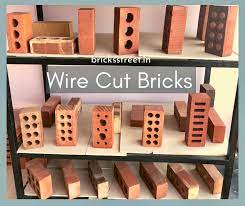
Wire Cut Bricks
Wire cut bricks have a relatively consistent shape and a distinctive surface created during manufacturing. They are used in various architectural and masonry applications.
A Wire Cut Bricks Manufacturer in India Price comparison should include size, finish, strength, absorption characteristics, and transport costs. If you want to use wire cut bricks as cladding, confirm that the specific product is designed or approved for that purpose. Full-sized wire cut bricks are not automatically interchangeable with thin cladding slips.
Solid Bricks
Solid bricks are commonly used for conventional masonry and other construction work. Their dimensions and weight differ from those of thin cladding products.
When checking a Solid Bricks Manufacturer in India Price, confirm whether the material is intended for structural or non-structural masonry. If you are repairing a damaged section of an old building, solid bricks may be suitable for rebuilding, subject to the project's design and requirements.
They are not necessarily the most practical choice when the goal is simply to add a decorative finish to an existing wall.
Hollow Blocks
Hollow blocks contain cavities and are commonly used in suitable wall construction. They can reduce wall weight compared with some solid masonry options, depending on the product and design.
A Hollow Blocks Manufacturer in India Price quotation should specify block dimensions, material, strength, and intended application. Hollow blocks are generally a construction material rather than a direct substitute for thin brick cladding.
They may be useful when a renovation involves rebuilding or extending a wall, but the structural design must determine whether they are appropriate.
Modular Bricks
Modular bricks follow standardised dimensions within the relevant product specification. Consistent sizing can make layout planning and joint spacing easier.
If you are comparing a Modular Bricks Manufacturer in India Price, check the actual dimensions, tolerances, finish, and intended use. Modular bricks may suit new masonry or replacement sections, while thin cladding materials are usually more appropriate for a decorative surface renovation.
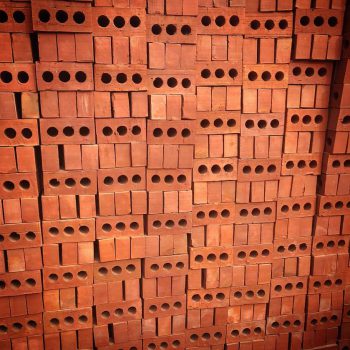
3 Hole Bricks, 8 Hole Bricks, and 10 Hole Bricks
Perforated bricks have holes that affect their weight, manufacturing characteristics, and intended applications. The number of holes alone does not establish whether a brick is suitable for a particular wall.
Before comparing a 3 Hole Bricks Manufacturer in India Price, an 8 Hole Bricks Manufacturer in India Price, or a 10 Hole Bricks Manufacturer in India Price, review the product specifications and applicable construction requirements.
These products are generally considered for masonry applications rather than assumed to be cladding materials. If your project only needs an exterior finish, ask for a dedicated cladding product that matches the wall system.
Pressed Bricks
Pressed bricks are formed using a pressing process and may offer a particular shape, surface texture, or finish. Their suitability depends on the product specification and intended application.
When comparing a Pressed Bricks Manufacturer in India Price, ask about dimensions, colour range, finish, strength, and whether the bricks are designed for exposed masonry or another use. If the aim is to renovate an old facade, make sure the selected product can be installed safely on the existing substrate.
How Much Does Brick Cladding Cost?
The cost of a brick cladding renovation depends on the selected product, wall condition, installation method, and total area. There is no single price that applies to every building.
Before comparing a supplier's quotation, separate material costs from preparation and installation expenses.
| Cost factor | What to check |
|---|---|
| Cladding material | Price per piece or square foot, thickness, finish, and quality |
| Surface preparation | Plaster removal, repairs, cleaning, and levelling |
| Installation | Labour charges, adhesive or mortar, and fixing accessories |
| Joint finishing | Mortar colour, joint profile, and sealing where specified |
| Access equipment | Scaffolding or other arrangements for elevated walls |
| Transportation | Distance, delivery quantity, unloading, and packaging |
| Weatherproofing | Flashing, drainage details, and compatible protective systems |
If you are comparing a Buy Modular Bricks Online in India Price listing, check whether the product is a full-sized modular brick or a thin cladding material. Online listings can use similar terminology for products with different purposes.
Request a written quotation based on the actual wall area. It should specify wastage allowances, delivery charges, taxes where applicable, and whether installation materials are included.
A very low material price may not produce the lowest completed project cost if the product requires extensive cutting, additional preparation, or a more complicated fixing method.
Design Ideas for Renovating Old Buildings
Brick cladding can suit different architectural styles when the material and coverage are planned carefully.
Modernise a Traditional House
Use warm red or earthy-toned cladding around the main entrance, porch, or front-facing columns. Combine it with neutral painted walls and simple lighting to create a cleaner exterior.
Keeping some original surfaces visible can preserve the character of the house while making the renovation more affordable.
Refresh an Old Commercial Building
A faded shop or office facade can benefit from brick cladding around the entrance and display area. A restrained pattern and consistent joint colour can help the property look organised without a complete exterior rebuild.
For commercial properties, plan the work around access requirements and business operations.
Create a Rustic Exterior
Textured brick finishes can suit farmhouses, cafes, independent retail stores, and traditional homes. Slight variations in brick colour can create a natural appearance, provided the material batch remains suitable for the desired design.
Ask for physical samples because photographs may not show the exact colour and texture.
Improve Boundary Walls
Boundary walls are often exposed to dust, rain, and sunlight. Cladding can change their appearance and help coordinate the exterior with the main building.
However, the existing wall must be stable and capable of supporting the added material. Moisture exposure and the risk of impact should also influence product selection.
Add an Interior Feature Wall
Brick cladding can update a living room, office reception, restaurant, or bedroom feature wall without rebuilding the room. A single accent wall may provide enough contrast without making the space feel crowded.
Interior installations still need a suitable substrate and compatible adhesive or fixing method.
Common Mistakes to Avoid
A good-looking finish depends on more than selecting an attractive brick colour. Several installation mistakes can reduce the life and appearance of the renovated wall.
Covering damp walls: Brick cladding does not automatically solve water penetration. Find and repair the source of moisture before installation.
Ignoring structural cracks: Significant cracks or movement need professional assessment. Cladding should not be used to hide unresolved structural defects.
Choosing the wrong product: Full-sized masonry bricks, hollow blocks, and thin cladding slips have different purposes. Confirm the intended use before placing an order.
Skipping samples: Brick colour can vary between batches and appear different under sunlight, shade, and artificial lighting. Approve a sample before ordering the full quantity.
Ignoring the added weight: The wall and fixing system must safely support the proposed cladding. Obtain professional advice if the substrate's condition or load capacity is uncertain.
Comparing prices without specifications: Two suppliers may quote different products, thicknesses, grades, or delivery terms. Compare equivalent specifications rather than choosing solely by the lowest price.
Neglecting maintenance: Inspect exterior walls periodically for damaged joints, loose pieces, water entry, and visible deterioration. Address problems before they spread.
How to Choose a Reliable Brick Cladding Supplier
The supplier's product knowledge and documentation can help you make a more informed decision.
Start by requesting technical specifications, available finishes, dimensions, and installation guidance. Ask whether the material is suitable for the intended interior or exterior application.
Confirm the quantity available for your project and whether repeat orders can maintain a reasonably consistent appearance. If the building has a large facade, check lead times and delivery arrangements before scheduling the installer.
You should also ask for physical samples, product photographs from completed projects, and a clear breakdown of the quotation. For specialised systems, confirm the compatibility of adhesives, mortar, fixings, and weatherproofing components.
If you are buying online, verify the seller's contact details, return or replacement terms, packaging method, and damage policy. These details matter when the material is fragile or when matching replacement pieces may be difficult.
Is Brick Cladding Better Than Repainting?
The right option depends on the building's current condition and the finish you want.
Repainting is often simpler and less expensive when the existing plaster is sound and you only need a clean, refreshed colour. It usually involves less added weight and less installation work.
Brick cladding may be a better choice when you want the texture and appearance of exposed brick. It can also create a stronger design contrast on selected walls.
However, cladding generally requires more detailed surface preparation and installation than painting. It can add weight and thickness, affect window or door reveals, and require careful moisture management.
Before choosing either option, compare the expected appearance, project budget, wall condition, and maintenance requirements. A professional inspection can help identify whether the existing surface is suitable for either finish.
Final Thoughts
Brick cladding can give an old building a new appearance without requiring a complete exterior rebuild. It offers design flexibility for homes and commercial properties, from a small entrance feature to a larger facade renovation.
The best results come from choosing a suitable cladding product, preparing the existing wall correctly, and using an installation system designed for the substrate and exposure conditions. Full-sized solid bricks, modular bricks, perforated bricks, and hollow blocks should not be treated as automatic substitutes for dedicated cladding materials.
Before starting, assess the wall, approve a sample, compare quotations based on matching specifications, and plan for proper drainage and maintenance. This approach can help you improve the building's appearance while avoiding unnecessary construction work.

Comments
Post a Comment