How to Maintain Exposed Brick Walls in Indian Weather Conditions
Exposed brick walls add natural texture and character to homes, offices, cafes, and commercial buildings. Unlike painted walls, they display the brick surface and mortar joints as part of the building's design. However, Indian weather conditions can affect their appearance and performance over time.
Strong sunlight, heavy monsoon rain, dust, humidity, and seasonal temperature changes can contribute to fading, staining, cracks, and moisture problems. The level of maintenance required depends on the brick type, wall construction, exposure, and quality of installation.
With regular inspections and suitable cleaning methods, you can keep exposed brick walls in good condition. This guide explains how to maintain brickwork, prevent common problems, and choose suitable bricks for different building applications.

Why Do Exposed Brick Walls Need Maintenance?
Exposed brick walls do not have the same painted finish as conventional walls. Their appearance depends on the brick surface, mortar joints, and installation quality.
When brickwork faces outdoor conditions, rainwater can enter through cracks, damaged joints, or poorly detailed areas. Persistent moisture may lead to efflorescence, surface deterioration, or damp patches inside the building.
Dust and pollution can also collect on brick surfaces, particularly near busy roads and commercial areas. In some locations, direct sunlight can cause noticeable differences in the appearance of bricks and mortar over time.
Regular maintenance helps you identify these issues early and decide whether cleaning, joint repairs, or professional assessment is necessary.
1. Understand How Indian Weather Affects Brick Walls
Different parts of India experience different weather conditions. A maintenance routine that works in a dry region may not be sufficient for a coastal or high-rainfall location.
Summer Heat and Direct Sunlight
In hot regions, exposed walls can experience high surface temperatures and repeated heating and cooling. These changes may contribute to movement in the wall assembly, particularly where joints and connections are poorly designed.
Direct sunlight can also affect the appearance of some surface treatments. If you apply a protective coating, confirm that it is suitable for exterior masonry and local temperature conditions.
Inspect the wall for cracks around windows, doors, corners, and connections with other materials.
Monsoon Rainfall
Heavy rainfall can expose weaknesses in wall detailing. Water may enter through damaged mortar joints, cracks, parapets, window edges, or poorly sealed connections.
Check whether rainwater flows away from the wall or collects on ledges and horizontal surfaces. Keep gutters and downpipes clear so that water does not repeatedly run down the brickwork.
After periods of heavy rain, inspect exposed walls for damp patches, loose mortar, unusual staining, and water entry inside the building.
Humidity and Coastal Conditions
High humidity can slow drying and increase the time moisture remains on a wall. Coastal locations may also expose masonry to airborne salts.
These conditions can contribute to staining, corrosion of embedded metal components, and deterioration of unsuitable finishes.
Use materials and repair methods suited to the local environment. If white deposits or recurring damp patches appear, identify the source of moisture before applying a surface treatment.
Dust and Urban Pollution
Dust, vehicle emissions, and airborne particles can collect on exposed brick surfaces. Walls near busy roads may need more frequent cleaning than those in less polluted areas.
Use gentle cleaning methods first. Aggressive scrubbing or high-pressure washing can damage softer bricks and mortar joints.
2. Clean Exposed Brick Walls Without Damaging Them
Cleaning helps remove dust and surface dirt, but the method should match the brick type and condition.
Start With Dry Cleaning
Use a soft-bristled brush to remove loose dust, cobwebs, and debris. Work from the top of the wall downwards so that dirt does not settle on areas you have already cleaned.
For indoor walls, a suitable vacuum attachment can help collect dust from uneven surfaces and mortar joints.
Avoid wire brushes because they may scratch the brick face or damage the mortar.
Use Water Carefully
For suitable masonry, lightly dampen the surface with clean water and use a soft brush to remove dirt. Test a small, inconspicuous area first.
Do not soak the wall unnecessarily. Excess water can enter cracks and joints, particularly when the masonry is already damp.
If the bricks are old, soft, cracked, or deteriorating, seek professional advice before wet cleaning.
Avoid Harsh Chemicals
Acidic cleaners, strong detergents, and unsuitable household chemicals can discolour brickwork or damage mortar.
Use a masonry cleaning product only when it is compatible with the brick and mortar. Follow the manufacturer's instructions and test the product on a small area.
For extensive staining, paint removal, or historic brickwork, consider a masonry specialist.
Be Careful With Pressure Washing
High-pressure water can erode mortar, damage brick surfaces, and force moisture into the wall. It may also remove material from already weakened joints.
A gentle cleaning method is generally a better starting point. If pressure washing is being considered, confirm that the brickwork can tolerate it and use a qualified professional where necessary.
3. Inspect Mortar Joints Regularly
Mortar holds masonry units together and helps form a weather-resistant wall. Over time, joints can crack, become loose, or lose material.
Inspect the joints for:
Crumbling or missing mortar
Cracks around windows and doors
Gaps between bricks and adjoining materials
Repeated damp patches
Loose or visibly displaced bricks
Small surface imperfections do not always indicate a structural problem. However, widespread deterioration, movement, or recurring cracks require professional assessment.
When Is Repointing Needed?
Repointing involves removing deteriorated mortar from the joints and replacing it with suitable new mortar.
The replacement mortar should be compatible with the existing brickwork. A mortar that is too hard or unsuitable for the bricks can cause damage over time.
Avoid simply covering damaged joints with a thin layer of new mortar. Proper preparation is necessary for a durable repair.
4. Prevent Water Entry and Dampness
Moisture is one of the main concerns for exposed brick walls in areas with heavy monsoon rainfall.
Check Gutters and Downpipes
Blocked gutters can overflow and allow water to run down the wall. Inspect gutters, downpipes, and outlets before the monsoon season.
Repair leaks and ensure that rainwater is directed away from the building.
Inspect Parapets and Wall Tops
Water can enter through poorly protected wall tops, parapets, and horizontal ledges. Check these areas for cracks, damaged coverings, and standing water.
Suitable coping and flashing details can help direct water away from vulnerable sections. The correct solution depends on the wall construction and building design.
Check Window and Door Edges
Cracks around frames can allow water to enter the wall. Inspect sealants, flashing, and adjacent mortar joints.
Use compatible repair materials and follow the manufacturer's application instructions. If the same area continues to leak, investigate the underlying detail rather than repeatedly applying sealant.
Identify the Source of Dampness
White deposits, peeling interior finishes, and persistent damp patches can have several causes. These may include water entry, rising damp, salts, or moisture trapped behind an unsuitable coating.
Do not assume that every white stain is harmless or that every damp patch requires a waterproof coating. Find the source before choosing a repair method.
5. Understand Efflorescence on Brick Walls
Efflorescence appears as a white or pale powdery deposit on masonry. It occurs when water carries soluble salts to the surface and evaporates, leaving the salts behind.
It can appear after construction, heavy rain, or periods of moisture movement through the wall.
For light deposits on sound, dry masonry, a soft dry brush may be sufficient. Collect the powder rather than spreading it across the wall.
If the deposits return repeatedly, investigate moisture entry and drainage. Avoid washing the wall repeatedly without addressing the source.
Persistent or extensive efflorescence may require assessment by a masonry professional.
6. Should You Apply a Protective Coating?
Some exposed brick walls may benefit from a suitable breathable water-repellent treatment, but a coating is not necessary for every wall.
The right approach depends on the brick's porosity, wall construction, exposure, and existing finish.
Before applying any product, consider these points:
Confirm that the treatment is designed for exposed masonry.
Check whether it allows water vapour to escape.
Make sure the wall is sound and sufficiently dry.
Repair leaks and damaged joints first.
Test the treatment on a small area to check for colour changes.
Follow the manufacturer's instructions for preparation and application.
Avoid applying impermeable coatings to damp masonry without professional advice. Some coatings can trap moisture and contribute to deterioration.
A protective treatment also cannot replace proper drainage, flashing, sound mortar joints, or structural repairs.
7. Choose the Right Brick for the Application
The maintenance requirements of an exposed wall depend partly on the type of brick used. Different brick products have different dimensions, finishes, and intended uses.
Solid Bricks
Solid bricks are used in a range of masonry applications, depending on their specifications. For exposed walls, check their strength, water absorption, dimensional tolerances, and weather suitability.
When comparing a Solid Bricks Manufacturer in India Price, ask suppliers for a quotation based on the exact brick size, quality, order quantity, and delivery location.
The lowest quoted price does not necessarily indicate the best product for the project.
Hollow Blocks
Hollow blocks contain internal cavities and are used in suitable wall systems. Their use depends on the block's design, strength, and intended application.
If you are comparing Hollow Blocks Manufacturer in India Price, confirm whether the product is intended for structural or non-structural construction and whether it can provide the finish required for an exposed wall.
Not every hollow block is designed to remain exposed without an additional finish.
Modular Bricks
Modular bricks follow standardised dimensions, subject to the applicable product specification. Their regular shape can help with consistent layouts and joint planning.
When checking Modular Bricks Manufacturer in India Price, compare the dimensions, technical specifications, quantity, and delivered cost.
If you plan to Buy Modular Bricks Online in India Price comparisons should include freight, unloading, packaging, and the supplier's replacement terms for damaged units.
10-Hole Bricks
A 10 Hole Bricks Manufacturer in India Price quotation should be assessed against the product's dimensions, intended application, quality, and delivery costs.
Perforated bricks are designed for specific masonry uses. Do not assume that every 10-hole brick is suitable for every structural wall or exposed facade.
Check the product documentation and confirm whether the brick is intended to remain visible after installation.
3-Hole and 8-Hole Bricks
Three-hole and eight-hole bricks can have different dimensions and design characteristics depending on the manufacturer.
When comparing a 3 Hole Bricks Manufacturer in India Price or an 8 Hole Bricks Manufacturer in India Price, request exact specifications rather than comparing only the number of holes.
The product's intended application, strength, water absorption, and finish matter more than the hole count alone.
Cladding Bricks
Cladding bricks are used to create a brick finish on suitable wall systems. They may be thinner than conventional masonry bricks and often require a specific fixing or installation method.
Before comparing Cladding Bricks Manufacturer in India Price, check the product dimensions, installation requirements, weather suitability, and compatibility with the supporting wall.
Cladding systems also need suitable detailing to manage moisture and movement.
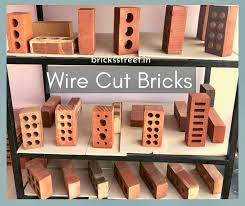
Wire Cut Bricks
Wire cut bricks are formed by extruding prepared clay and cutting it into individual units. They often have relatively consistent dimensions and defined edges.
A Wire Cut Bricks Manufacturer in India Price quotation should include the product specification, finish, quantity, and delivery details.
For exposed exterior walls, check the brick's suitability for the local climate and the requirements of the proposed wall system.
Pressed Bricks
Pressed bricks are shaped using a pressing process. Their dimensions, surface characteristics, and performance vary with the raw materials and manufacturing method.
When reviewing Pressed Bricks Manufacturer in India Price, request the exact product specifications and confirm whether the bricks are intended for the proposed structural or decorative application.
8. How to Compare Brick Prices in India
Brick prices vary according to product type, size, quality, manufacturing location, order quantity, and transport distance. Comparing the same specifications makes it easier to understand the differences between supplier quotations.
Use these checks when requesting prices:
Confirm the dimensions. Make sure each quotation covers the same brick size.
Check the intended use. Separate structural bricks from decorative cladding products.
Request technical details. Ask for relevant strength and water absorption information.
Compare the finish. Review physical samples where appearance matters.
Include delivery costs. Ask whether freight, unloading, and taxes are included.
Check packaging. Confirm how the products will be protected during transport.
Review replacement terms. Understand how damaged or short deliveries will be handled.
For large projects, request a written quotation that identifies the exact product and quantity. This helps prevent confusion when different brick types have similar names.
9. Create a Seasonal Maintenance Plan
A simple maintenance schedule can help you catch problems before they become expensive.
Before the Monsoon
Clean gutters and downpipes.
Inspect parapets, wall tops, and window edges.
Check mortar joints for gaps and cracks.
Remove debris from ledges and drainage points.
Repair known leaks before heavy rainfall.
After the Monsoon
Look for damp patches and water staining.
Check for new cracks or loose mortar.
Inspect areas where water collects.
Check interior walls adjoining exposed brickwork.
Investigate recurring white deposits or peeling finishes.
During Dry Weather
Remove accumulated dust.
Carry out suitable minor repairs.
Review any protective treatment that may need attention.
Arrange professional assessment for persistent moisture or structural concerns.
The ideal schedule depends on the local climate and the condition of the wall. Buildings exposed to heavy rain or coastal conditions may need more frequent inspections.
10. When Should You Call a Professional?
Some maintenance tasks are suitable for routine care, but others require specialist knowledge.
Seek professional assessment if you notice:
Large or widening cracks
Bulging or displaced brickwork
Loose bricks at height
Repeated water leakage
Extensive mortar deterioration
Persistent dampness despite repairs
Corrosion or damage around embedded metal components
Do not cover these symptoms with paint, sealant, or a surface coating before identifying the cause. A qualified masonry professional or structural engineer can help determine the appropriate repair.
Final Thoughts
Exposed brick walls can maintain their natural appearance for many years when the brickwork is suitable for the application and receives proper care. In Indian weather conditions, the main priorities are moisture management, gentle cleaning, sound mortar joints, and regular inspections.
Choose brick products according to their intended use, technical specifications, and local exposure conditions. When comparing prices, request quotations that include the exact product details, delivery, and other relevant costs.
Whether you are considering solid bricks, modular bricks, wire cut bricks, or cladding bricks, the right selection and installation method can reduce maintenance problems. Regular checks before and after the monsoon can help you identify issues early and keep exposed brick walls in good condition.

Comments
Post a Comment